
Beginner’s guide to free AI finance apps 2025: Top apps, features, how-to-use for easy budgeting and investing management. No budget? No problem –... Continue reading


20-22 Wenlock Road
London N1 7GU United Kingdom

E-Mail: contact@topaireview.com
Gmail: topaireview.com@gmail.com

Monday To Friday
09:00 AM - 20:00 PM
Return to previous page
Category: AI for Investing & Trading
What is AI for Investing & Trading — tools?
AI investing and trading tools use artificial intelligence, machine learning, and data analytics to help users analyze financial markets, predict trends, and automate trades. These platforms range from full-service automated trading bots to AI-powered research assistants, serving both experienced institutions and retail investors.
Types of AI tools for investing and trading
Algorithmic trading platforms
These platforms use AI to execute high-speed trades based on predefined rules related to timing, price, or volume.
– High-frequency trading (HFT): A subset of algorithmic trading where AI systems execute thousands of trades in fractions of a second to capitalize on small price fluctuations.
– Quantitative trading: Uses AI to identify optimal investment opportunities and execute large transactions based on complex quantitative models.
AI-driven analysis and predictive tools
Instead of automating trades, these tools assist human investors with research, forecasting, and risk assessment.
– Predictive analytics: Forecasts stock market trends and price movements by analyzing extensive historical data, news, and market indicators.
– Sentiment analysis: Uses natural language processing (NLP) to scan social media, news, and financial reports for market sentiment, helping traders gauge public opinion.
– Backtesting platforms: Allow users to test potential investment strategies against historical data to evaluate their effectiveness before committing real capital.
– Stock screeners: AI-powered screeners like Tickeron or those in InvestingPro can filter thousands of stocks based on specific criteria and recommend those with the highest growth potential.
AI-powered assistants and robo-advisors
These services provide automated portfolio management and personalized financial guidance.
Robo-advisors: Manage investment portfolios based on an investor’s financial goals and risk tolerance. Platforms like Magnifi use AI to select and rebalance assets for passive, low-cost investing.
Conversational assistants: Offer a chat-based interface to answer investment questions, analyze portfolios, and compare stocks, acting like a financial co-pilot.
Automated trading bots
These tools automate trade execution based on signals from AI or user-defined strategies.
– Day trading signals: Platforms like Trade Ideas use AI to scan for high-probability day trading opportunities in real-time, providing actionable entry and exit signals.
– Strategy automation: Services like SignalStack can convert trading alerts from platforms like TradingView into automatic, real-time trades through a linked brokerage account.
– Strategy marketplaces: Platforms such as StockHero and Tickeron offer access to pre-built, expert-developed trading bots that users can rent or copy.
Examples of AI investment and trading tools
Trade Ideas: Best known for its AI day-trading bot named “Holly,” which identifies high-probability trading setups by backtesting millions of strategies daily.
– TrendSpider: An AI-powered tool for technical analysis that automatically detects trendlines, chart patterns, and backtests strategies without needing code.
– Tickeron: Offers a marketplace of AI Robots and model portfolios that provide transparent, AI-generated trade signals for stocks, ETFs, and cryptocurrencies.
– QuantConnect: An institutional-grade platform for developers and quants to build, backtest, and deploy their own custom AI and machine learning trading strategies.
– Magnifi: A conversational AI assistant that helps retail investors conduct research, manage their portfolios, and find investments that match their personal goals.
Benefits and risks of using AI tools
Benefits
– Speed and accuracy: AI algorithms can analyze vast datasets and execute trades far faster and more accurately than humans, helping to identify and act on opportunities in milliseconds.
– Emotion-free trading: AI removes human psychological biases like fear and greed, ensuring decisions are based purely on data.
– Enhanced insights: AI and machine learning can uncover subtle patterns and correlations in market data that are impossible for human analysts to spot.
– Increased efficiency: Automation of repetitive tasks, such as portfolio rebalancing and data collection, frees up time for more strategic work.
Risks
– Dependence on historical data: AI’s predictions are based on historical data, which may not account for unforeseen “black swan” events like geopolitical conflicts or pandemics.
– “Black box” problem: The complex nature of some AI algorithms makes it difficult to understand how they arrive at their conclusions, posing ethical and regulatory challenges.
– Over-reliance and potential losses: No AI tool can guarantee profits, and relying solely on AI without human oversight can lead to poor decisions and significant financial losses.
– Risk of errors: A coding error in an automated system can have massive financial repercussions, especially at high-frequency trading volumes.
How does AI for Investing & Trading — tools work?
AI stock trading uses machine learning, sentiment analysis and complex algorithmic predictions to analyze millions of data points and execute trades at the optimal price. AI traders also analyze forecast markets with accuracy and efficiency to mitigate risks and provide higher returns.
Warning: AI responses may include mistakes. For financial advice, consult a professional.
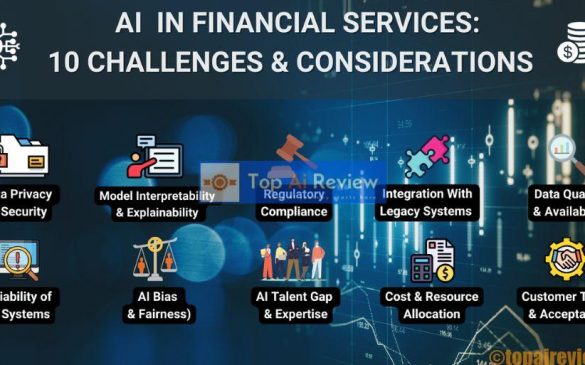
Ultimate guide to integrating AI in financial services: from setup to scaling, with real-world examples for international markets in 2025. Transform financial services... Continue reading
How to choose AI software for investment portfolio 2025? Step-by-step guide: Select the best AI for portfolio management with checklists, tools comparison, and... Continue reading
In-depth analysis of AI risk management tools 2025 with features, pricing, case studies, and comparisons to cut financial risks 60% for global banks... Continue reading
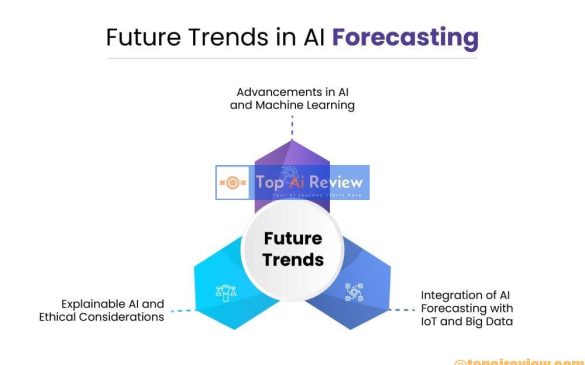
What if AI could predict your next market crash? 2025 AI forecasting tools do that, boosting accuracy by 40% and saving millions for... Continue reading

(Best AI Robo-Advisors Tools for Finance) Tired of manual trading? 2025 best AI robo-advisors handle it all, boosting returns by 20% without needing... Continue reading
Explore top 10 AI finance tools 2025 with in-depth reviews, features comparisons, pricing, and expert insights to optimize global financial operations in 2025.... Continue reading
Hook Introduction: Zest AI Lending Automation Tool 2025 – Accelerating Credit with AI Struggling with manual loan approvals and high false rejections? Zest... Continue reading
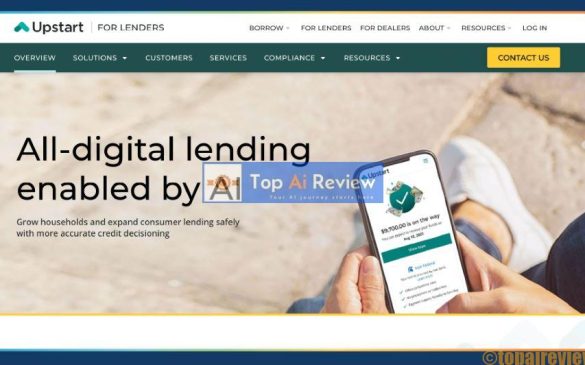
Upstart Lending AI Tool 2025 – Revolutionizing AI Lending Are you managing credit and need fast loan approvals? Upstart lending AI tool 2025... Continue reading

Tipalti Payable Automation 2025 – Accelerating Payments with AI Are you a CFO struggling with thousands of invoices monthly? An AI tool like... Continue reading
AI for investing and trading tools use artificial intelligence, machine learning, and data analytics to help users analyze financial markets, predict trends, and automate trades. These platforms range from full-service automated trading bots to AI-powered research assistants, serving both experienced institutions and retail investors.
Showing 1–10 of 20 posts
Recent Comments